
Your cart (0)
Your cart is empty
Tax included and shipping calculated at checkout
Your cart is empty
Tax included and shipping calculated at checkout

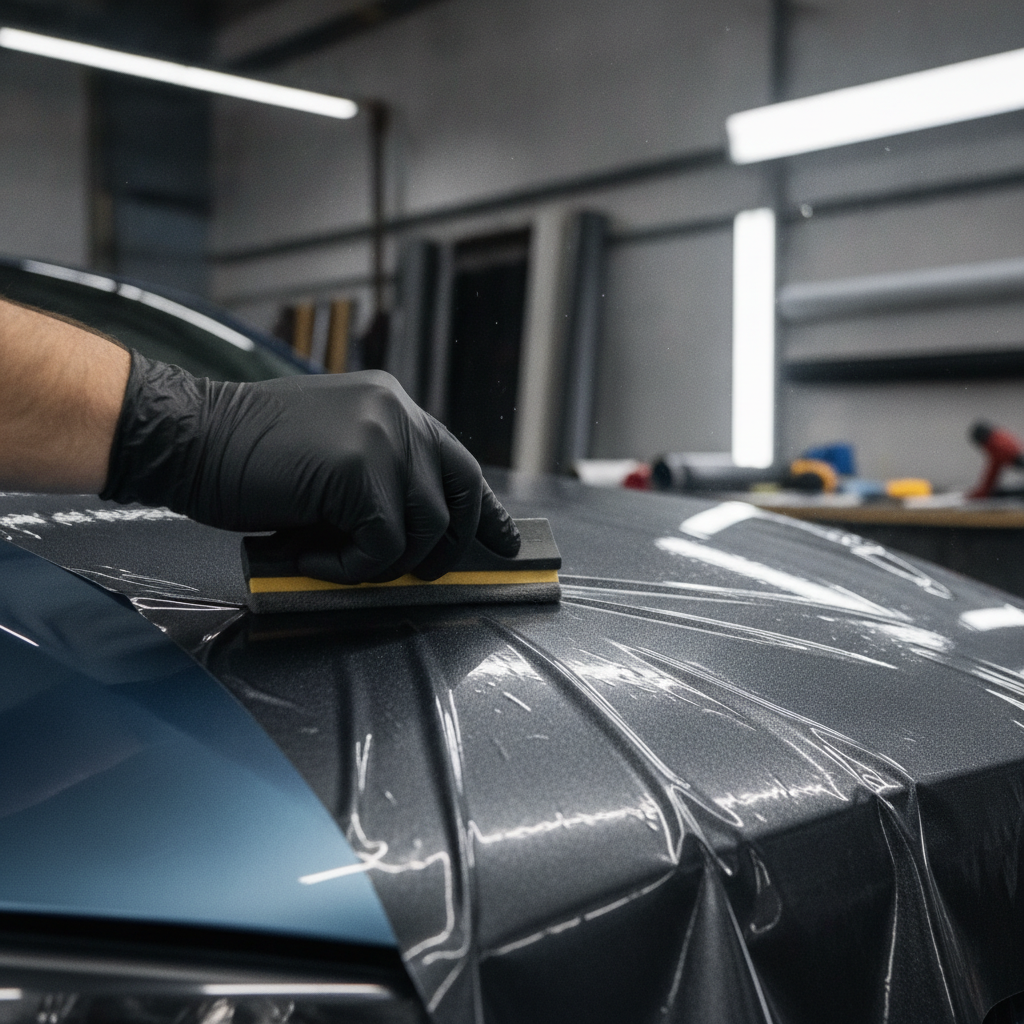
Professional vinyl wrap application on a car hood with squeegee in workshop
If you're a business owner or fleet manager on Long Island, you've likely considered vehicle wraps as a marketing tool. But one question always comes up: how long will a vehicle wrap actually last? The answer depends on several factors — the material you choose, the quality of installation, and most importantly, how you maintain it. In this guide, we'll break down everything Long Island drivers need to know about vinyl wrap longevity and proper care.
For the full breakdown of what determines wrap lifespan — material grade, lamination, orientation and use case — see our guide to printed wrap durability. This page focuses on what you can control after the wrap is on the vehicle.
A professionally installed and properly maintained vinyl wrap typically lasts between 3 to 7 years. Here's the breakdown by material type:
At Printwise USA, we recommend starting with premium cast vinyl with a quality laminate — like the Avery Dennison MPI 1105 with 1360Z/1370Z Lamination — for maximum longevity, especially in demanding climates like Long Island.
Long Island presents unique challenges for vehicle wraps. From the salt spray along the South Shore and North Shore coastlines to the harsh winter road salt on the Northern State Parkway and Long Island Expressway, your wrap faces constant environmental stress. Add in the intense summer humidity and UV exposure, and you've got a recipe for accelerated wear — unless you take the right precautions.
The key difference between a wrap that lasts 3 years and one that lasts 7 isn't just the material — it's how you care for it. Let's get into the maintenance tips that will keep your Long Island fleet looking sharp year after year.
This is the single most important rule of vinyl wrap maintenance. Automatic car washes use rotating brushes that can lift the edges of your wrap, create micro-scratches, and dull the finish over time. The high-pressure jets can also force water under the edges, causing delamination. Instead, hand wash your wrapped vehicle using a mild automotive soap, a soft microfiber mitt, and the two-bucket method. Dry with a soft microfiber towel — never let it air dry, as mineral deposits can stain the wrap.
Long Island winters mean plenty of road salt on the Southern State Parkway, Sunrise Highway, and local roads. Salt is highly corrosive and can degrade both the vinyl and the adhesive if left on the surface. Pro tip: During winter months, rinse your wrapped vehicle with a hose at least once a week to remove salt buildup. A weekly gentle rinse can double the life of your wrap in coastal and winter conditions.
Long Island summers bring strong UV rays that can fade and embrittle unprotected vinyl over time. The solution? Choose wraps with built-in UV stabilizers (like Avery Dennison MPI 1105 with Avery 1360Z/1370Z lamination) and park in shaded or covered areas whenever possible. If you must park outdoors, use a car cover or reflective windshield shade to reduce interior heat and direct sun exposure on the wrap itself.
Edge lifting is the most common sign of wrap aging. If you notice a corner peeling near a door handle, mirror, or body panel edge, address it immediately. A small lifted edge can catch wind at highway speeds and peel back rapidly. A quick re-application with a heat gun or professional touch-up can save you from needing a full re-wrap. If you're not comfortable doing it yourself, contact Printwise USA for advice or professional care recommendations.
NEVER use the following on your wrap:
Stick to pH-balanced automotive soaps and dedicated vinyl wrap cleaners. For stubborn bugs or bird droppings, soak the area with warm soapy water for a few minutes before gently wiping. Bird droppings contain acids that can etch into the wrap within hours — clean them off as soon as you spot them.
Even with the best care, all wraps eventually need replacement. Here are the signs it's time:
If you catch these signs early, you can replace just the affected panels rather than doing a full re-wrap — saving both time and money.
Absolutely. Adding a clear laminate layer over your printed wrap is like putting a screen protector on your phone. It takes the abuse so your print doesn't have to. Avery 1360Z gloss and 1370Z luster laminations both provide superior scratch resistance, UV protection, and chemical resistance. For Long Island businesses that keep their fleet vehicles for 5+ years, investing in laminated wraps pays for itself many times over in extended life and showroom-quality appearance.
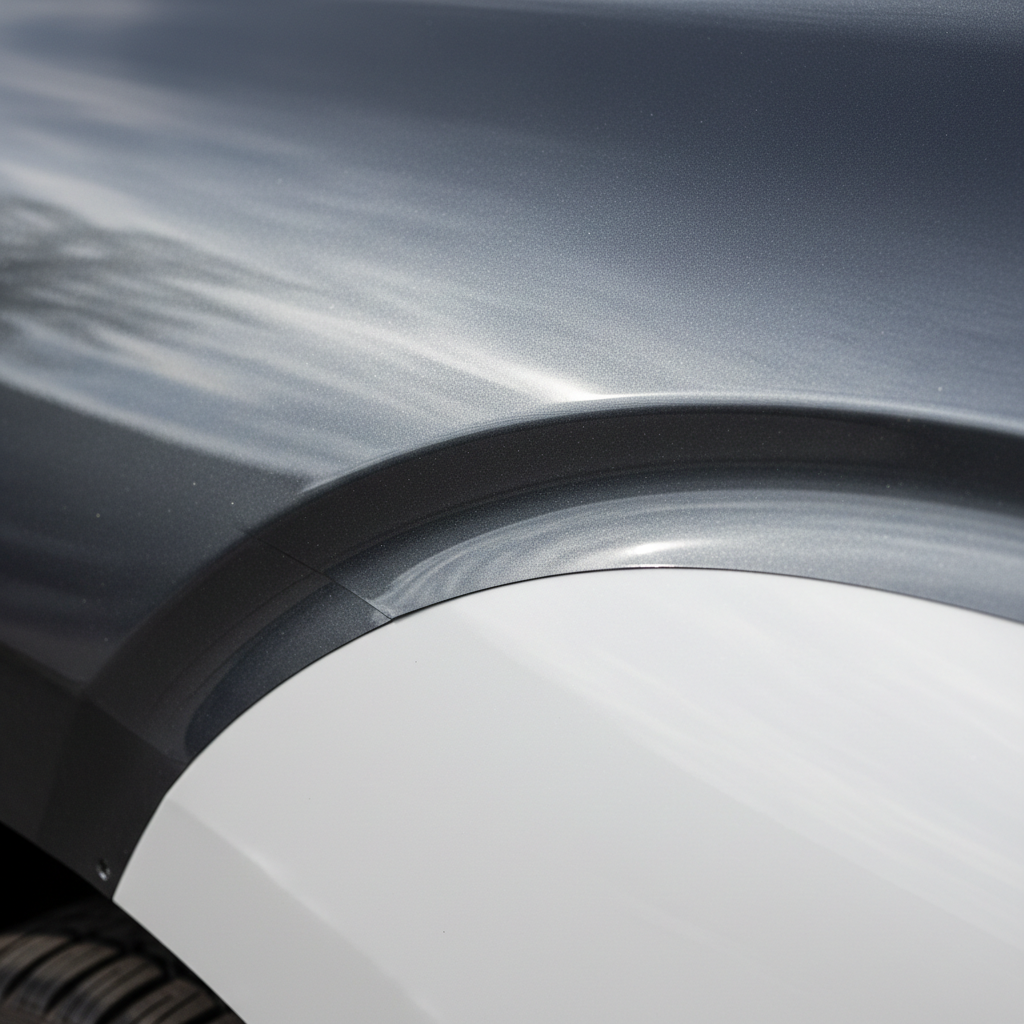
Close-up of clean vehicle wrap surface showing smooth finish and edge detail
>Get Started with Printwise USAWhether you're wrapping a single delivery van for your Long Island business or an entire fleet, the right materials and proper maintenance make all the difference. At Printwise USA, we offer premium cast vinyl wraps and laminates designed to withstand Long Island's unique climate — from the coastal salt air of Montauk to the winter roads of Nassau County. Browse our complete collection of vehicle wrap materials and give your fleet a long-lasting, head-turning look that stands up to everything our island throws at it.
Have questions about wrap maintenance or material selection? Reach out to the Printwise USA team — we're here to help Long Island drivers keep their wraps looking like new.
Browse our premium print materials and get your custom wrap delivered nationwide.